Explore Courses in "Agriculture"
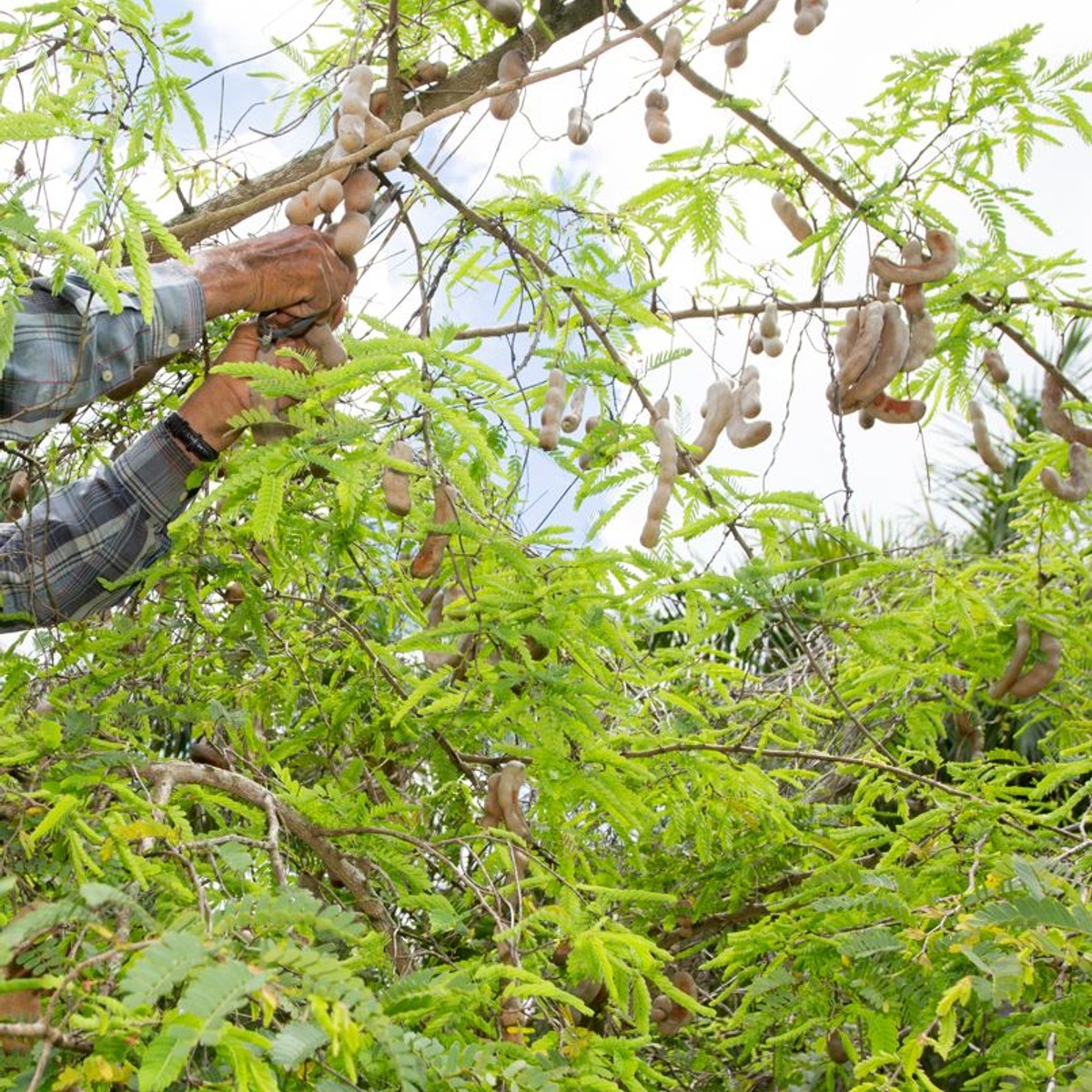

Description : Welcome to Agroforestry V: Ecosystem Services, Food Security and Sustainable Development, a detailed review of fundamental principles and best practices for successful agroforestry projects. This interdisciplinary module, presented by leading experts in the field, is the final in the five-module course covering the various aspects of agroforestry including the global distribution of the practices, their underlying principles, and major scientific advances during the past nearly five decades. Students will gain extensive knowledge and skills related to agroforestry systems, best practices and scientific management that can be useful in promoting their professional development and sharpening their land management skills.
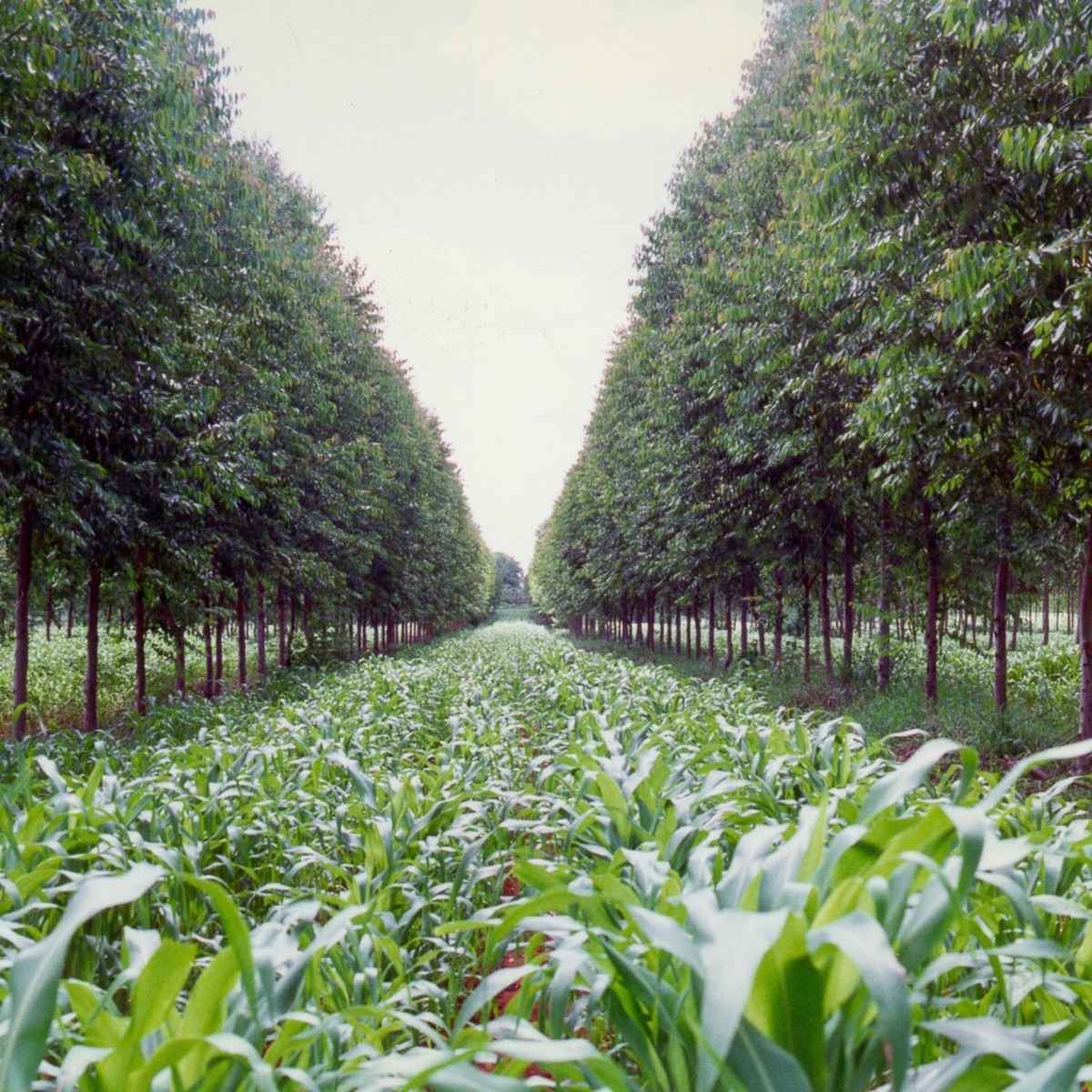
Description : Welcome to Agroforestry IV: Climate Change, Carbon Storage and Agroforestry Systems, a detailed review of fundamental principles and best practices for successful agroforestry projects. This interdisciplinary module, presented by leading experts in the field, is the fourth in the five-module course covering the various aspects of agroforestry including the global distribution of the practices, their underlying principles, and major scientific advances during the past nearly five decades. Students will gain extensive knowledge and skills related to agroforestry systems, best practices and scientific management that can be useful in promoting their professional development and sharpening their land management skills.
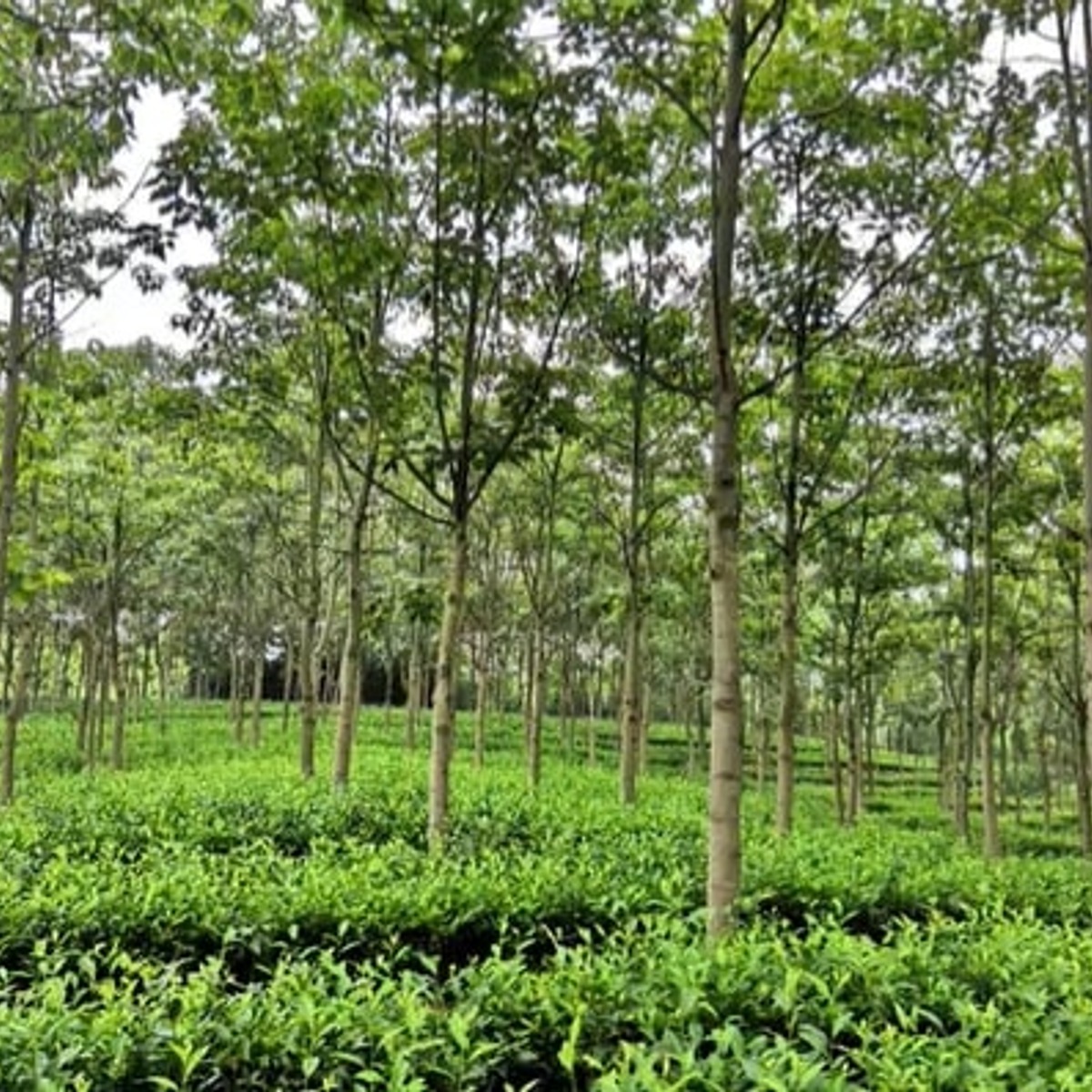
Description : Agroforestry – the practice of growing trees and crops in interacting combinations – is recognized the world over as an integrated approach to sustainable land-use. Agroforestry systems, being multifunctional, facilitate not only the production of food and wood products but also provide a variety of ecosystem services such as climate-change mitigation, biodiversity conservation, and soil quality improvement. This course teaches a broad overview of the most current research and best practices in global agroforestry.

Description : The past 15 years have been exciting ones in plant biology. Hundreds of plant genomes have been sequenced, RNA-seq has enabled transcriptome-wide expression profiling, and a proliferation of "-seq"-based methods has permitted protein-protein and protein-DNA interactions to be determined cheaply and in a high-throughput manner. These data sets in turn allow us to generate hypotheses at the click of a mouse. For instance, knowing where and when a gene is expressed can help us narrow down the phenotypic search space when we don't see a phenotype in a gene mutant under "normal" growth conditions. Coexpression analyses and association networks can provide high-quality candidate genes involved in a biological process of interest. Using Gene Ontology enrichment analysis and pathway visualization tools can help us make sense of our own 'omics experiments and answer the question "what processes/pathways are being perturbed in our mutant of interest?" Structure: each of the 6 week hands-on modules consists of a ~2 minute intro, a ~20 minute theory mini-lecture, a 1.5 hour hands-on lab, an optional ~20 minute lab discussion if experiencing difficulties with lab, and a ~2 minute summary. Tools covered [Material updated in June 2025]: Module 1: GENOMIC DBs / PRECOMPUTED GENE TREES / PROTEIN TOOLS. Araport, TAIR, Gramene, EnsemblPlants Compara, PLAZA, SUBA5 and Cell eFP Browser, 1001 Genomes Browser, PlantConnectome Module 2: EXPRESSION TOOLS. eFP Browser / eFP-Seq Browser, Araport, ARDB, TravaDB, NCBI Genome Data Viewer for exploring RNA-seq data for many plant species, MPSS database for small RNAs, SCEA and Ecker Lab Seed-to-Seed scAtlas Module 3: COEXPRESSION TOOLS. ATTED II, Expression Angler, AraNet, AtCAST2 Module 4: PROMOTER ANALYSIS. Cistome, MEME, ePlant Module 5: GO ENRICHMENT ANALYSIS AND PATHWAY VIZUALIZATION. AgriGO, AmiGO, Classification SuperViewer, TAIR, g:profiler, AraCyc, MapMan (optional: Plant Reactome) Module 6: NETWORK EXPLORATION. Arabidopsis Interactions Viewer 2, ePlant, TF2Network, Virtual Plant, GeneMANIA
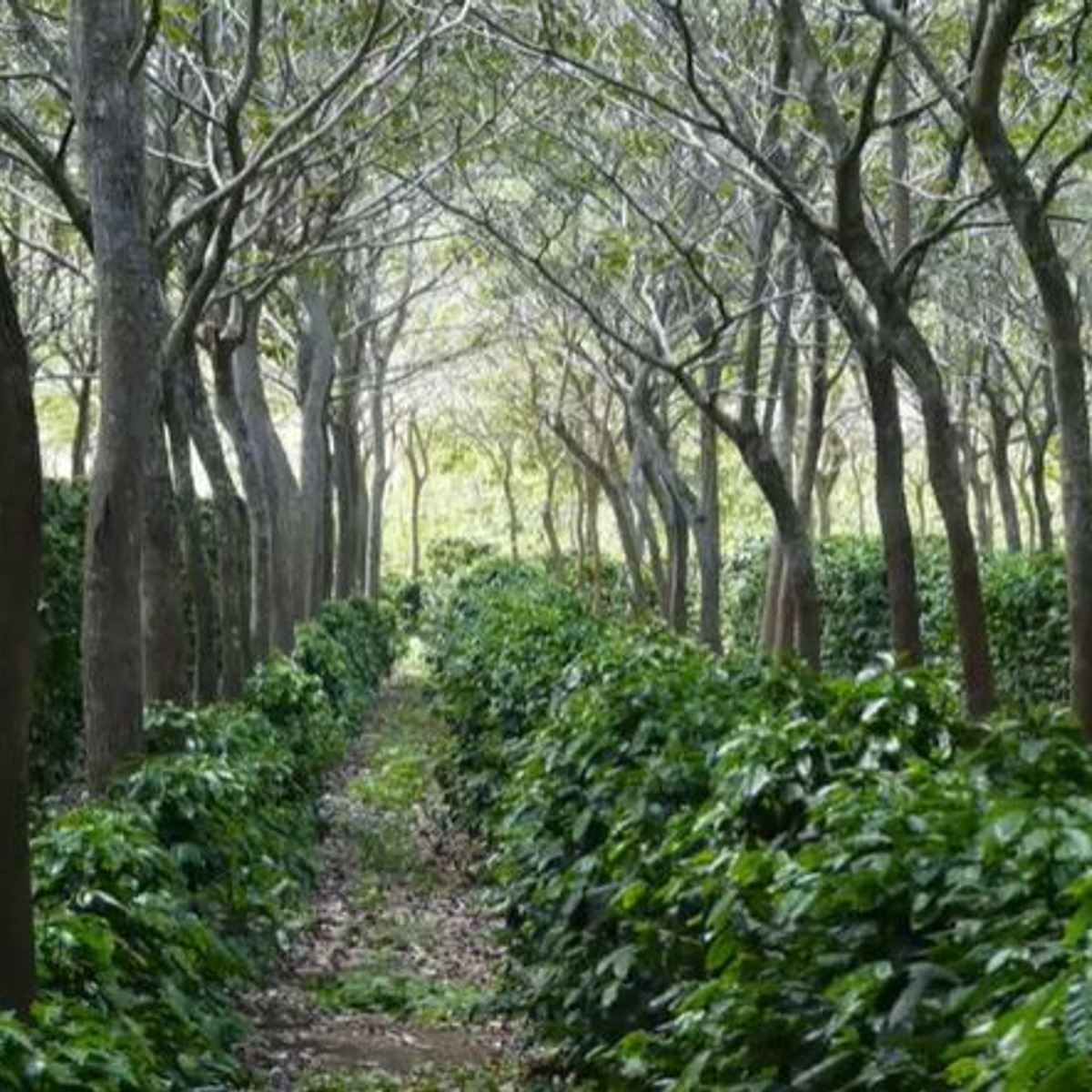
Description : Welcome to Agroforestry II: Major Systems of the World A focused exploration of agroforestry practices from around the world. This is the second module of the five-module course covering the various aspects of agroforestry including the global distribution of the practices, their underlying principles, and major scientific advances during the past nearly five decades, presented by leading experts in the field. Students will gain extensive knowledge and skills related to agroforestry systems, best practices and scientific management that can be useful in promoting their professional development and sharpening their land management skills.

Description : Large-scale biology projects such as the sequencing of the human genome and gene expression surveys using RNA-seq, microarrays and other technologies have created a wealth of data for biologists. However, the challenge facing scientists is analyzing and even accessing these data to extract useful information pertaining to the system being studied. This course focuses on employing existing bioinformatic resources – mainly web-based programs and databases – to access the wealth of data to answer questions relevant to the average biologist, and is highly hands-on. Topics covered include multiple sequence alignments, phylogenetics, gene expression data analysis, and protein interaction networks, in two separate parts. The first part, Bioinformatic Methods I, dealt with databases, Blast, multiple sequence alignments, phylogenetics, selection analysis and metagenomics. This, the second part, Bioinformatic Methods II, will cover motif searching, protein-protein interactions, structural bioinformatics, gene expression data analysis, and cis-element predictions. This pair of courses is useful to any student considering graduate school in the biological sciences, as well as students considering molecular medicine. These courses are based on one taught at the University of Toronto to upper-level undergraduates who have some understanding of basic molecular biology. If you're not familiar with this, something like https://learn.saylor.org/course/view.php?id=889 might be helpful. No programming is required for this course although some command line work (though within a web browser) occurs in the 5th module. Bioinformatic Methods II is regularly updated, and was last updated for February 2026.

Description : Large-scale biology projects such as the sequencing of the human genome and gene expression surveys using RNA-seq, microarrays and other technologies have created a wealth of data for biologists. However, the challenge facing scientists is analyzing and even accessing these data to extract useful information pertaining to the system being studied. This course focuses on employing existing bioinformatic resources – mainly web-based programs and databases – to access the wealth of data to answer questions relevant to the average biologist, and is highly hands-on. Topics covered include multiple sequence alignments, phylogenetics, gene expression data analysis, and protein interaction networks, in two separate parts. The first part, Bioinformatic Methods I (this one), deals with databases, Blast, multiple sequence alignments, phylogenetics, selection analysis and metagenomics. The second part, Bioinformatic Methods II, covers motif searching, protein-protein interactions, structural bioinformatics, gene expression data analysis, and cis-element predictions. This pair of courses is useful to any student considering graduate school in the biological sciences, as well as students considering molecular medicine. Both provide an overview of the many different bioinformatic tools that are out there. These courses are based on one taught at the University of Toronto to upper-level undergraduates who have some understanding of basic molecular biology. If you're not familiar with this, something like BIO101 from Saylor Academy (https://learn.saylor.org/course/view.php?id=889) might be helpful. No programming is required for this course. Bioinformatic Methods I is regularly updated, and was completely updated for January 2026.
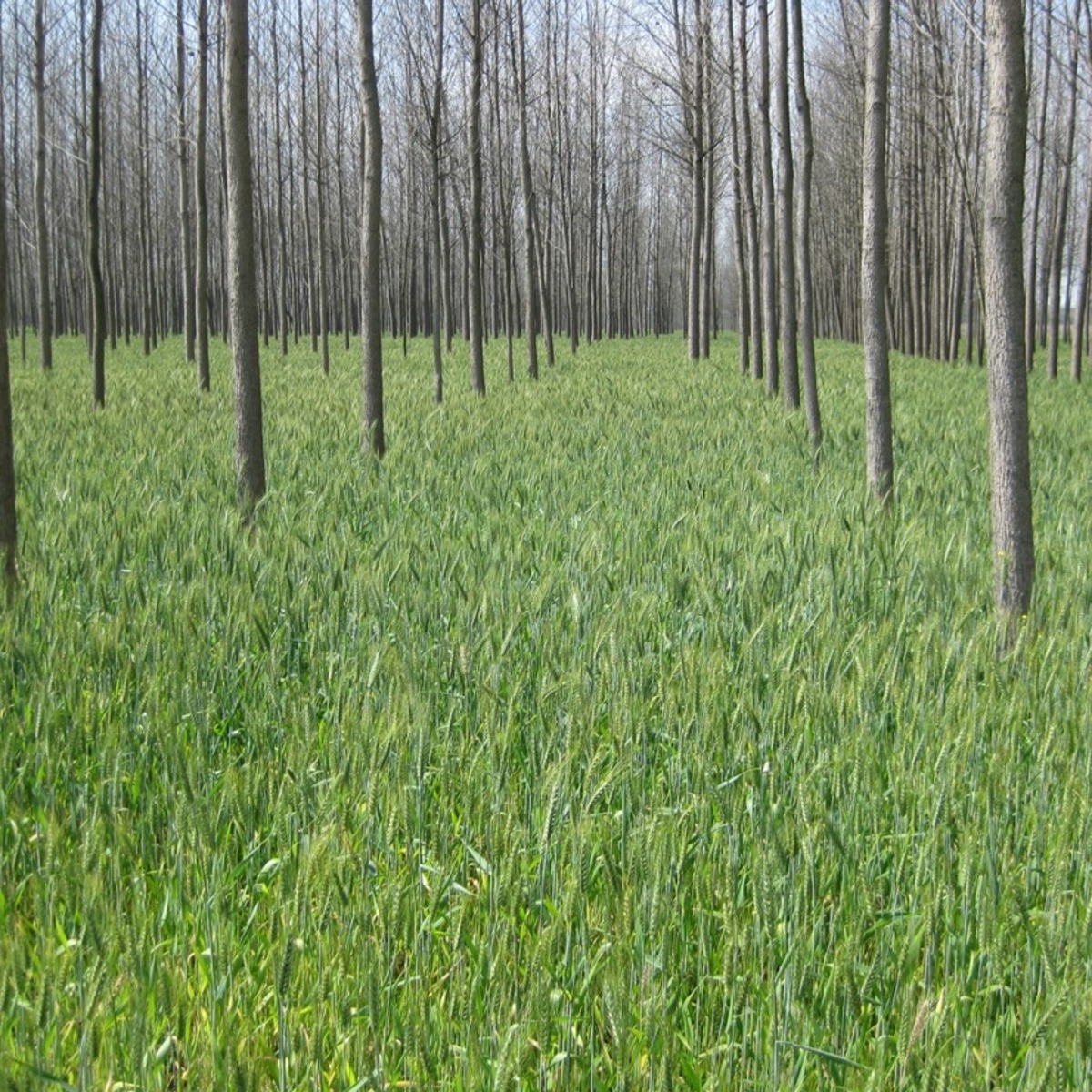
Description : Agroforestry III: Principles of Plant and Soil Management is a detailed review of fundamental principles and best practices for successful agroforestry projects through understanding plant and soil interactions. This interdisciplinary module, presented by leading experts in the field, is the third in the five-module course covering the various aspects of agroforestry including the global distribution of the practices, their underlying principles, and major scientific advances during the past nearly five decades. Students will gain extensive knowledge and skills related to agroforestry systems, best practices and scientific management that can be useful in promoting their professional development and sharpening their land management skills.